
Choosing a preschool for your two- or three-year-old is a big decision—one that can set the stage for their lifelong love of learning. At this age, children are developing rapidly, both physically and emotionally. They need an environment that’s not just safe and nurturing, but also thoughtfully designed to meet their unique developmental needs.
At Love2Learn Early Learning Center in Mechanicsburg, we specialize in caring for our youngest learners by providing individualized attention, purposeful play, and developmental support every step of the way. Here’s what to look for when choosing the right preschool for your toddler—and how we stand apart.
1. A Safe, Nurturing Environment with Low Ratios
Little ones thrive when they feel secure and connected. That’s why it’s essential to choose a preschool with low teacher-to-child ratios, especially for two- and three-year-olds who still need a lot of guidance, support, and one-on-one attention.
At Love2Learn, our intentionally small class sizes allow teachers to build strong, loving relationships with each child. This personal connection fosters a sense of emotional safety, which is the foundation for all learning.
2. Developmentally Appropriate Curriculum and Assessments
Children at age two and three are learning through movement, curiosity, and interaction with the world around them—not through worksheets or long group lessons. A quality preschool will focus on developmentally appropriate goals that match each child’s readiness.
At Love2Learn, we perform a developmental assessment for each child upon enrollment and revisit progress at least every six months. These check-ins help us ensure that every child is meeting important milestones in areas like language, motor skills, problem-solving, and social development. If a child needs extra support, we can identify it early and partner with families to help.
3. Play-Based, Hands-On Learning
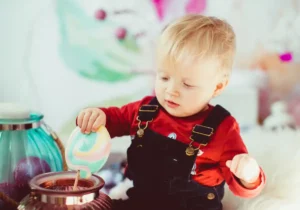
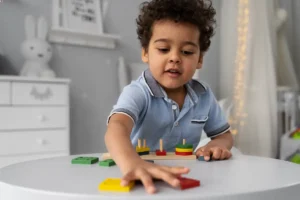
Toddlers and preschoolers learn best through play. Look for a program that includes lots of open-ended activities, sensory play, and guided exploration that allow children to learn through doing.
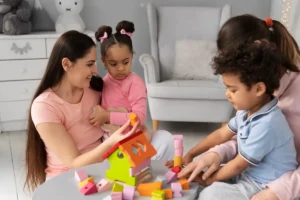
At Love2Learn, every day includes purposeful play experiences—from water tables and building blocks to art projects and dramatic play. These activities help develop early math and literacy skills, fine motor coordination, and critical thinking—all while keeping learning fun.
4. Social-Emotional Growth
Learning how to express emotions, build friendships, and cooperate with others are some of the biggest tasks for two- and three-year-olds. A great preschool should provide a supportive environment where children can practice these skills with gentle guidance.
Our teachers use positive behavior support strategies to help children learn how to communicate feelings, solve conflicts, and build confidence. Every classroom is designed to be calm, predictable, and emotionally supportive.
5. Engaging Themes That Inspire Curiosity
At this age, everything is new and exciting! A preschool that offers theme-based learning helps toddlers and preschoolers explore the world in fun, meaningful ways.
From farm animals and weather to dinosaurs and outer space, Love2Learn brings each theme to life through books, crafts, music, and hands-on activities. These experiences help children make connections between what they’re learning and the world around them.
The Love2Learn Difference
When you’re looking for the right preschool for your two- or three-year-old, be sure to find a place that offers:
- Low teacher-to-child ratiosfor personalized care
- Developmental assessmentsto track progress and guide learning
- Play-based activitiesthat support early academic and social skills
- A nurturing environment where your child feels loved, seen, and supported
Ready to learn more? Contact Love2Learn today to schedule a tour and see how we help toddlers and preschoolers grow into confident, curious learners. Sources and Further Reading
- Copple, C., & Bredekamp, S. (2009). Developmentally Appropriate Practice in Early Childhood Programs Serving Children from Birth Through Age 8(3rd ed.). Washington, DC: National Association for the Education of Young Children.
- Zero to Three. (2023). Why Play Is Important.Retrieved from https://www.zerotothree.org
- Centers for Disease Control and Prevention. (2023). Developmental Milestones.Retrieved from https://www.cdc.gov/ncbddd/actearly/milestones
- National Association for the Education of Young Children (NAEYC). (2022). What Does a High-Quality Preschool Program Look Like?Retrieved from https://www.naeyc.org
- Harvard University Center on the Developing Child. (2021). The Science of Early Childhood Development.Retrieved from https://developingchild.harvard.edu